
After exploring how memes function as offline artefacts (Intervention 2) and how people attach meaning to objects (Interventions 3 & 4), I wanted to observe how people actively build meaning rather than just interpreting it. Based on the previous blog post about the planning of this intervention, I decided to create it as a participatory semiotics playground where meaning is collectively created, remixed, and negotiated.
Based on what I’ve learnt from previous interventions, I wanted to shift my role from observer to facilitator. In past interventions, I would create a very structured ask or survey and expect participants to complete it. However, with this intervention, I really wanted the participants to have fun and let go of inhibitions to produce the most authentic output.
To understand why I settled on creating a participatory book, we need to look at previous interventions. Intervention 2 demonstrated that people can recognise offline artefacts using meme language and context. Interventions 3 and 4 revealed that meaning depends on the shared context and cannot be forced, as it is something innate. However, there was still a missing link to answer my question: how do people build meaning together in a shared space? This inspired the new artefact: the meme book. Even though it currently exists online, printing it does not make it an offline artefact inspired by a single meme, but rather an offline artefact that engages with the culture of memes.
In the previous blog post, I included the meme book; however, after reviewing my iterative process, it made sense that the book needed further improvements before it was sent out. Improvements to net the most action research from it.
You can use the following link to access the book digitally, as some participants decided to include videos: https://www.canva.com/design/DAG5Do6IahE/6WboZFBkWDDW-J6hkYwN_A/edit?utm_content=DAG5Do6IahE&utm_campaign=designshare&utm_medium=link2&utm_source=sharebutton
this memes something…. the meme book exercise
(A physical/ digital hybrid notebook. The book was made on Canva, so every participant can access it and add to it.)
Chapter 1: Meme Artefacts
The most interesting insight from Intervention 2 was seeing how people responded to the offline meme artefacts and the language they used. I wanted to evolve on that idea and see how they can communicate with one another in response to the offline artefacts. Ultimately, this chapter was designed to explore how participants communicate with each other, not just answering my question.
Chapter 2: Memes in the Wild
This chapter was taken from the images I captured of The Queen Adelaide, where they had memes up. The purpose of this chapter was to explore how memes alter the feeling of a physical space. While the respondents did not directly express how they felt about the space itself, the exploration focused on how they communicated with one another via the book based on the memes.
Chapter 3: Free Page
The final section is a completely open spread for the participants to input memes, jokes, stories, etc. This section was necessary to observe spontaneous meaning-making and the emergence of microcultures.
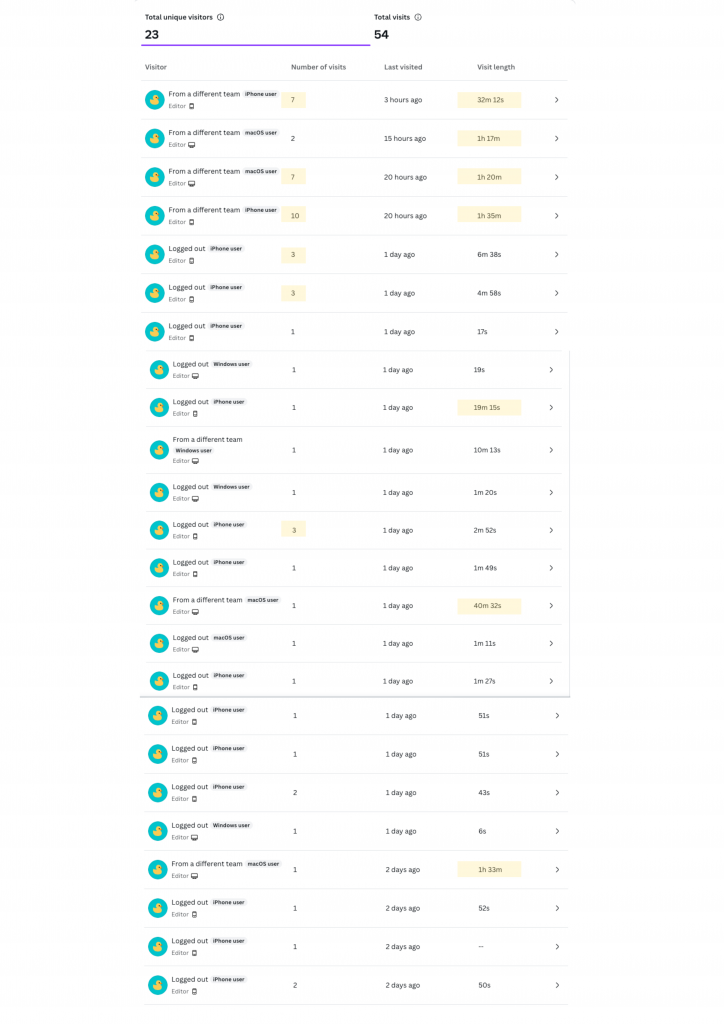
For this intervention, I had 8 contributors and focused on expert stakeholders rather than sending it to everyone I knew. The purpose of this was to ensure I was including the people who want to live in these places and to achieve the strongest results. Ultimately, my target audience. The book was distributed online, and based on interaction data, participants kept returning to it to see how it was evolving. That was an important insight as it showed people returning repeatedly, which is similar to how we revisit comment sections and meme threads.
For fluidity, I’ve included my key findings in bullet points.
- People responded in meme language, such as meme → response → counter-response → new reference. This proved the nature of the high-context fluency that the stakeholders possess.
- The responses formed a collaborative “inside joke ecosystem”. The participants ended up building on each other’s pages.
- The free pages were the most active, showing an unexpected volume of contributions. There was also a lot of meta commentary present.
I’ve also included some interesting quotes from the participants:
- “HOT TAKE: memes reflect where society is @ 2025 meme trends being matcha dubai chocolate labubu jet2holiday based is bc the cost of living crisis has broken us and we’re finding humour in the ridiculousness of late stage capitalism”
- “I think memes are so important in our current language cause lowkey it hekps to navigate socially awkward discussions like when you dont know how to answer/finish a conversation, when you have to relativize on heavy subjects or when you try to make a political statement. It is such a strenght because it cross borders to the point where Brands, Politicians and more try to use them to appeal to Gen Z”
The book ultimately became both an artefact and a generator of meaning. The whole process has been quite meta: I began by studying the concept of memes outside the online world, then created an artefact online with the purpose of existing offline.
The communal building of meaning is where belonging actually manifests. The book revealed how meme language is portable, flexible, and shareable offline. The next sensible step would be to print the book so it can fully exist in physical form.
I thought it would be interesting to include analytics on how stakeholders participated in the intervention. The highlighted portions show a high number of revisits and a considerable length of interaction with the meme book.
Below is the PDF of the book.